The recent release of The Odyssey found me reflecting on not only the stories we tell but how we tell them.
For example, I have a good friend who is a songwriter. We have burned the midnight oil talking about storytelling and, on occasion, he has asked for feedback regarding lyrics he is composing. I often marvel at how he has to tell a complete story in such a condensed time frame. He, quite naturally, turns my praise back at me when trying to wrap his head around writing a complete book. Our collaborative sessions are always punctuated by a sense of mutual respect for what the other accomplishes in their medium.
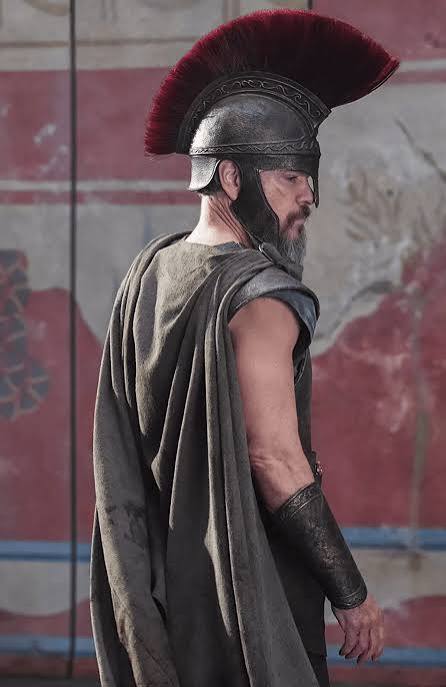
This brings me to The Odyssey specifically and the tension that often exists between books and the movies they become. It is common to hear people talk about liking the book more, wishing the movie stayed “truer” to the book, and enjoying the thrill of favorite scenes coming to life on the big screen. While I understand this tension, I rarely engage in it for one reason in particular.
As an author, I do dream about my books becoming films. I mean, how cool would that be! And could I work out a deal to visit the movie sets with my kids? Go to the premiere? Questions abound.
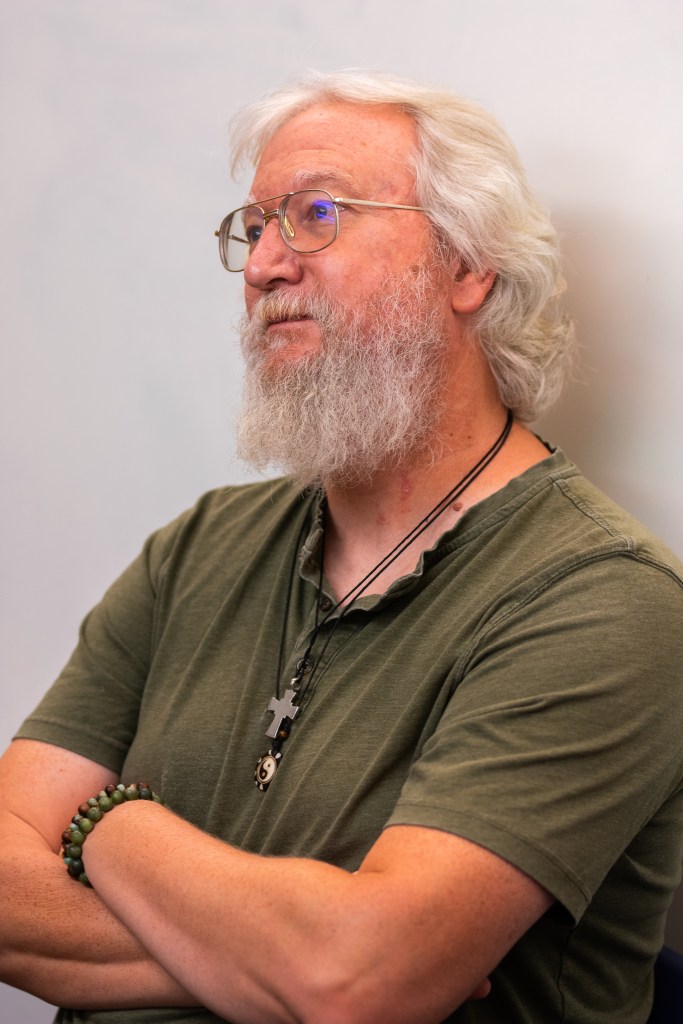
But this thought exercise is not just about daydreams. It has made me appreciate something important about the differences between the two mediums.
When I write a book, my budget is minuscule. I need a pen, usually two notebooks, and Wi-Fi to stay on. That’s it. Whatever surreal landscapes or elaborate set pieces are needed for the film cost me nothing. Just pure imagination (1). Fantastic.
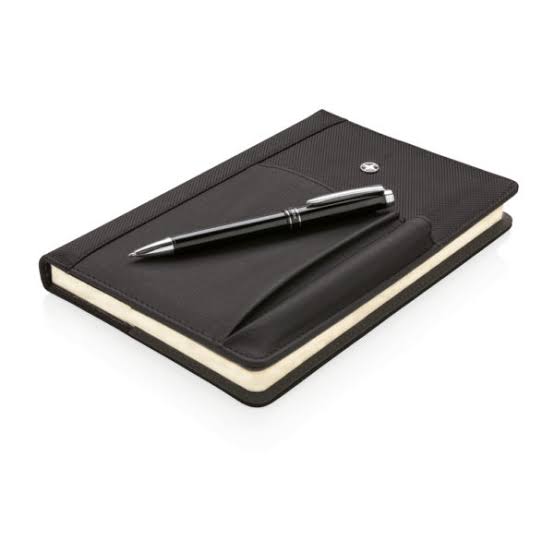
A movie, however,…whoa. With my limited knowledge of filmmaking, I know this: we need to create sets, pay actors and Lord knows how many other people, provide makeup, create mind-blowing special effects, and who knows what else. Every second sounds like it costs something. Budget matters much more to the filmmaking world than mine. I mean, if a pen runs out of ink, it is not a budgetary disaster.
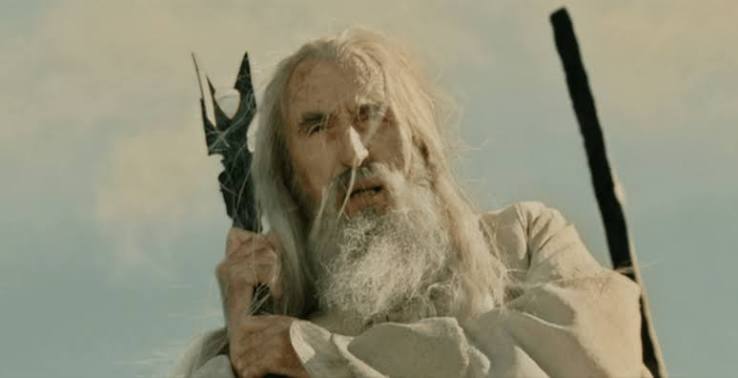
When I consider The Odyssey, for example, there are two scenes in the book that are not in the movie. I won’t mention them, but rather use The Lord of the Rings trilogy as an example because the statute of limitations on spoilers has expired. Tom Bombadil and the Scouring of the Shire are not in the films. My enjoyment of Peter Jackson’s work is unaffected by these facts. Also, because Saruman can’t die in a scene that does not take place, the white wizard is either locked away (theatrical release) or attacked by Grima and falls to his death (the highly recommended extended version).
I suppose that is also the point.
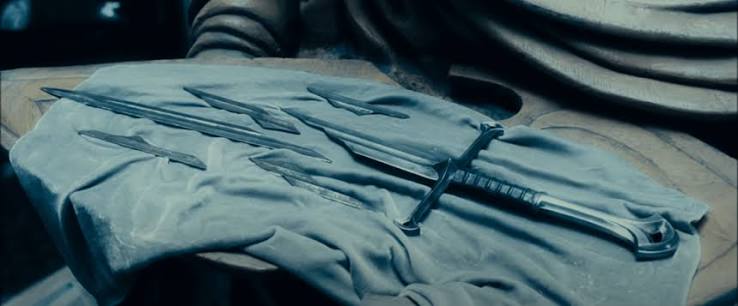
The director as story adapter…not reproducer…makes choices for their medium as they seek to honor the story they are reimagining for the screen. I love when dialogue is moved and still works in the new telling, or a choice is made, like having the shards of Narsil stored in Rivendell in the film rather than carried by Aragorn as in the book.
I realize there are points and counterpoints to be made, and this simple post does not settle the discussion – a discussion that in all likelihood will never be settled. I do hope, however, no matter where you fall on this matter your enjoyment of stories remains strong.
Oh, and any directors who stumble upon this post…call me. I will be easy to work with.
Endnotes
- Was that Gene Wilder walking by?

